01
Buying a winery on the Lake Erie North Shore
Lake Erie North Shore properties can include established vineyard blocks, farm buildings, winery production space, tasting rooms, residences and other agricultural land. Buyers should distinguish the value of the real estate from equipment, inventory, licences and other business assets that may be offered separately.
The appellation stretches across a broad area of southwestern Ontario, so road access, nearby communities, services and visitor traffic can vary significantly. A property near an established wine route may have different commercial strengths from a vineyard focused mainly on grape production.
02
Lake influence and a long growing season
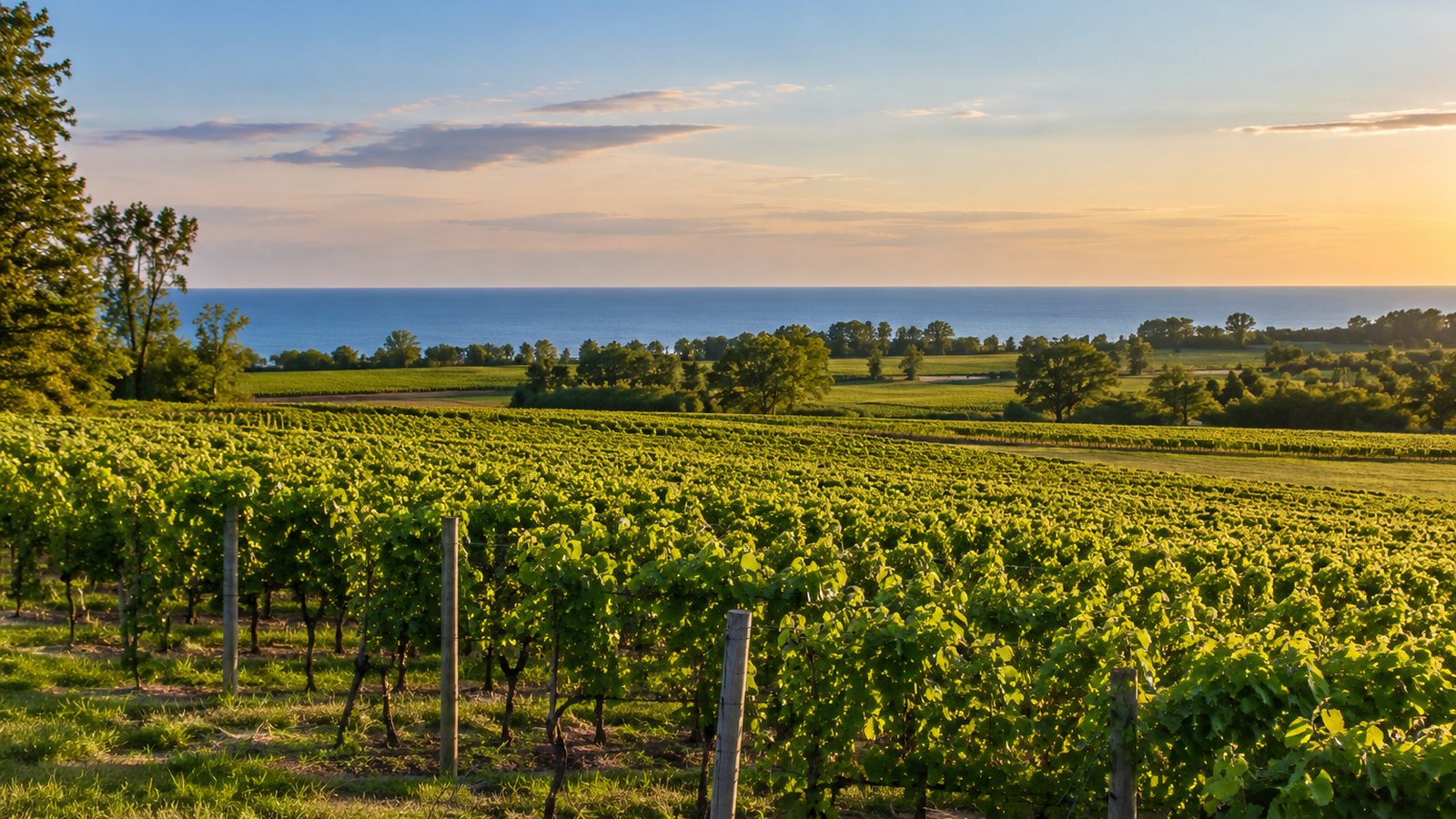
Lake Erie is relatively shallow and warms quickly, helping moderate temperatures along the north shore. The appellation is known for abundant sunshine and a long growing season, while gentle slopes and lake breezes influence vineyard conditions across the region.
Buyers should still review frost, drainage, soils, varieties, vine age and block performance on the individual property. Water management and field drainage can be especially important on flatter agricultural land.
03
Winery operations and rural infrastructure
Production-focused buyers should inspect crush and fermentation areas, storage, refrigeration, wastewater, loading access and electrical capacity. Rural properties may also rely on wells, septic systems and private services that need to be assessed independently.
If the winery includes tasting, food service, events or accommodation, confirm parking, occupancy, licences and municipal permissions. Existing agricultural use does not automatically establish approval for every visitor-focused activity.
04
Southwestern Ontario wine-country property
The Lake Erie North Shore appellation includes mainland vineyards along the lake as well as the South Islands sub-appellation, including Pelee Island. Mainland and island properties can have very different access, logistics and visitor patterns.
For most buyers, comparing winery real estate here comes down to vineyard quality, infrastructure, access to markets and how much of the operating business is included with the property.