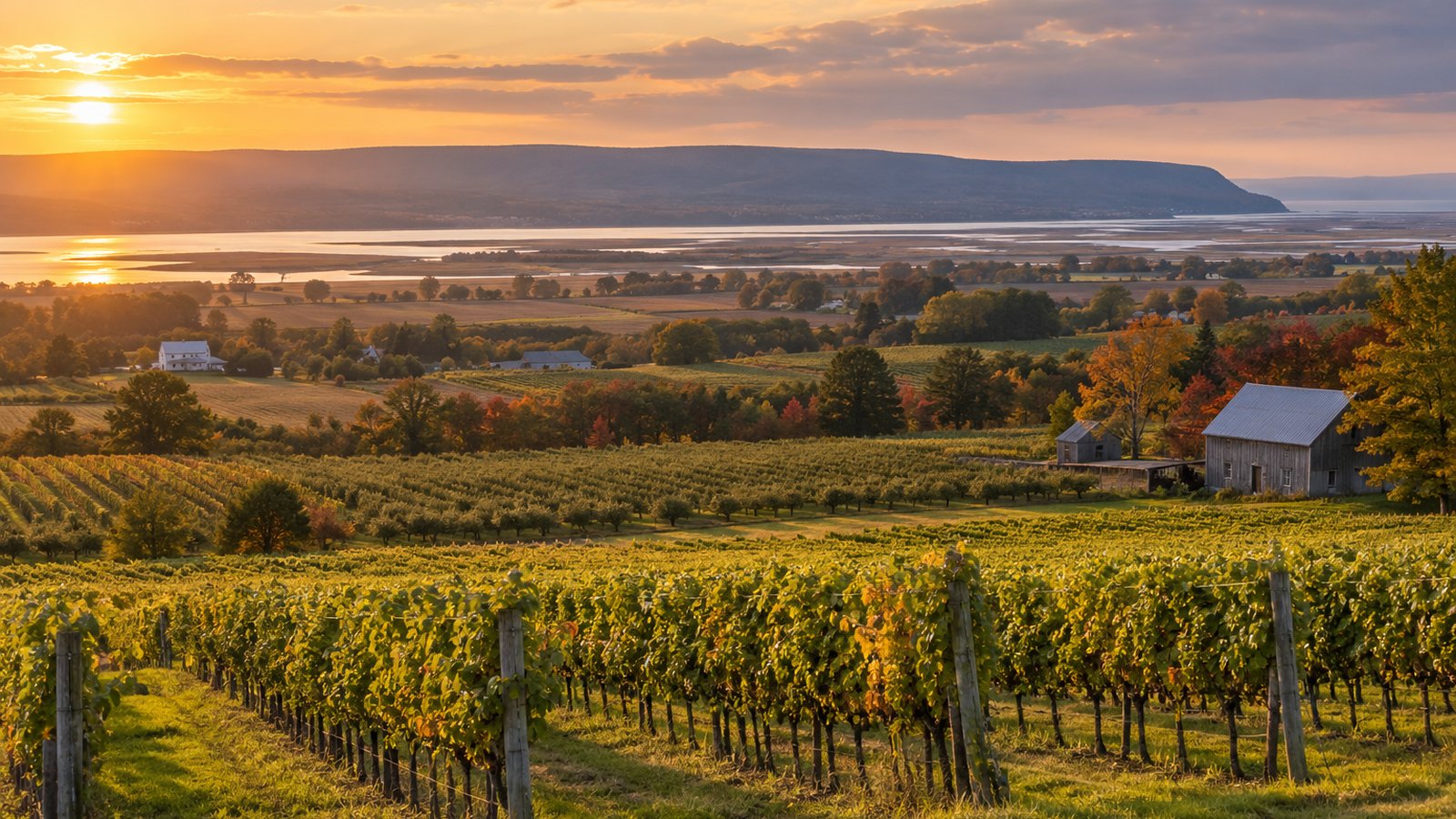
Editorial vineyard, farmland and tidal-valley landscape representing the Annapolis Valley wine region in Nova Scotia

Annapolis Valley winery and vineyard property

Annapolis Valley wineries and vineyards for sale

Search wineries and vineyards for sale in Nova Scotia’s Annapolis Valley. The valley around Wolfville, Grand Pré and neighbouring communities is the province’s best-known concentration of wineries, with cool-climate vineyards shaped by maritime weather and the Bay of Fundy.

Properties for sale

Current Annapolis Valley listings

Search all properties

No active Annapolis Valley listings right now

No properties are currently listed in Annapolis Valley. Search all Canadian winery and vineyard properties, or contact WikiWineries about marketing a property in this region.

01

Buying a winery in the Annapolis Valley

Annapolis Valley winery properties can combine vineyard acreage, production and storage buildings, tasting rooms, residences and visitor-focused improvements. The region has an established wine and food tourism economy, but individual properties vary widely in scale and business model.

Wolfville, Grand Pré and surrounding agricultural communities contain a strong concentration of wineries and vineyards. Buyers should consider access, rural services and visitor traffic alongside the condition of the land and buildings.

02

Cool-climate vineyards and maritime influence

Nova Scotia sits near the cool-climate limit for commercial grape growing. In the Annapolis Valley, surrounding water bodies, topography and local mesoclimates influence winter exposure, frost risk, ripening and drainage.

Buyers should review the actual vineyard history, varieties, vine age, winter injury, yields and replanting needs. Sparkling wine and fresh, high-acid styles are important parts of Nova Scotia’s wine identity, but vineyard performance remains site-specific.

03

Rural services, winery buildings and wastewater

Rural winery properties may rely on wells, septic systems and private infrastructure. Production buildings should be evaluated for crush, fermentation, storage, refrigeration, wastewater, loading and electrical capacity, especially if the buyer intends to increase production.

Residences, tasting areas, food service, events and accommodation can place additional demands on servicing. Buyers should confirm building permits, occupancy, licences and local permissions before relying on expanded hospitality uses.

04

Wolfville, Grand Pré and Bay of Fundy wine country

The eastern Annapolis Valley around Wolfville and Grand Pré is closely associated with Nova Scotia wine tourism and agricultural landscapes near the Bay of Fundy. Nearby wineries can benefit from established visitor routes and the region’s strong food-and-wine identity.

A buyer focused on tourism may value location and guest experience, while a vineyard or production buyer may place more emphasis on land, vine condition and winery capacity. The best property depends on the intended operation rather than the regional name alone.

Property due diligence

Details to review before buying

Wine real estate combines land, buildings and often an operating business. The right questions depend on the property and the buyer's plans.

Winter and frost exposure

Review vineyard history, varieties, cold injury, frost pockets, slope and the site’s record through recent winters.

Drainage and soils

Inspect field drainage, soil conditions, water movement and how established blocks perform after wet weather.

Rural services

Confirm wells, septic, wastewater, electrical capacity, road access and other private systems serving the property.

Hospitality approvals

Check tasting, food service, events, accommodation, parking and occupancy permissions for the existing operation.

Annapolis Valley property questions

Questions buyers often ask

Where is Nova Scotia’s main concentration of wineries?

The Annapolis Valley, especially around Wolfville, Grand Pré and nearby communities, contains a major concentration of Nova Scotia wineries and vineyards.

What should I review before buying an Annapolis Valley vineyard?

Review winter and frost history, varieties, vine condition, drainage, rural water and septic, winery buildings, wastewater and any hospitality approvals.

Are Annapolis Valley wineries cool-climate operations?

Yes. Nova Scotia has a cool maritime growing environment. Individual vineyard sites still differ in exposure, soils, frost risk and mesoclimate, so property-specific records are important.

Can I list an Annapolis Valley winery or vineyard on WikiWineries?

Yes. Property owners can contact WikiWineries directly, and licensed real estate professionals can request a realtor advertising account.

Selling in Annapolis Valley

Market your winery or vineyard to buyers searching this region.

WikiWineries combines a dedicated property page with regional placement, large photography and visible listing-agent attribution.