01
Buying a winery in the Similkameen Valley
Similkameen winery properties can appeal to buyers who want a strong agricultural setting and a smaller, more rural wine market than the neighbouring Okanagan. A sale may include planted vineyard blocks, production or storage buildings, a tasting area, farm infrastructure, residences and business assets.
Cawston and Keremeos form the core of the valley’s grape-growing activity. Properties can sit close to orchards and other working farms, so buyers should consider agricultural operations, road access and neighbouring land uses as part of the overall property review.
02
Dry climate, wind and vineyard exposure
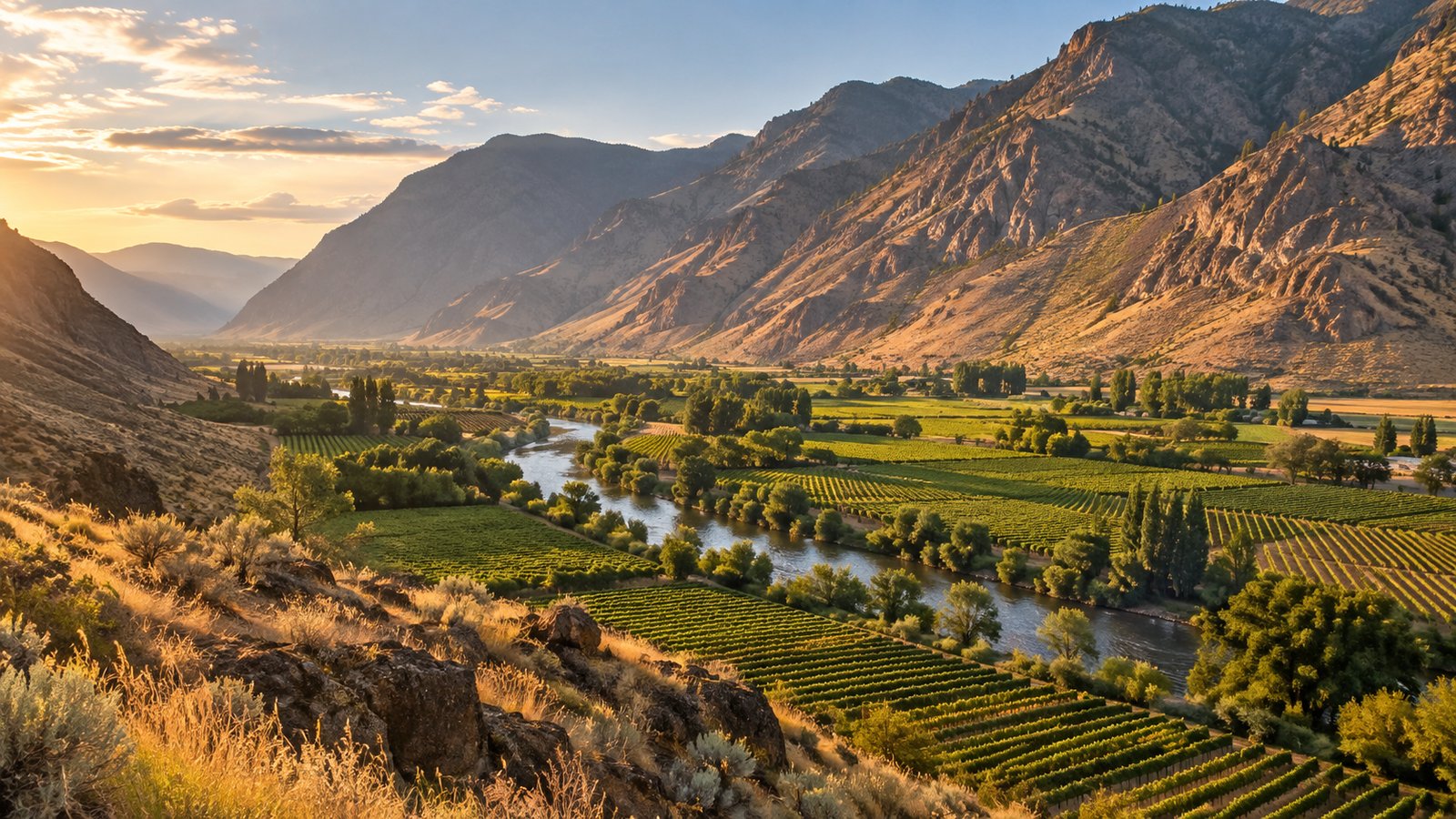
The Similkameen is known for dry conditions, strong air movement and vineyards framed by steep mountains. Those regional traits can support grape growing, but individual blocks still need site-specific review for frost, slope, sun exposure, soils and drainage.
Wind can influence vine growth and vineyard management, while mountain topography can create meaningful differences in shade and cold-air movement. Buyers should rely on the actual vineyard history and block performance rather than regional reputation alone.
03
Water, irrigation and agricultural use
In a dry Interior valley, water is a central due-diligence issue. Confirm the source, applicable water rights or licences, irrigation capacity, storage and distribution systems, and whether they can support the existing vines or any proposed expansion.
Agricultural zoning, farm status, access, easements and the permitted mix of winery, retail and visitor uses should also be reviewed. A property’s rural setting can be attractive, but services and infrastructure may be more limited than in larger urban wine centres.
04
Cawston and Keremeos wine-country real estate
The Similkameen market is concentrated around smaller communities, which gives local wine properties a different business profile from estates in Kelowna or Penticton. Buyers focused on vineyard production may value land and water first, while a direct-sales winery may place more weight on road visibility, tasting space and the visitor experience.
For buyers comparing the Similkameen with the Okanagan, the decision often comes down to operating scale, market access, land characteristics and the type of wine business they want to run.